

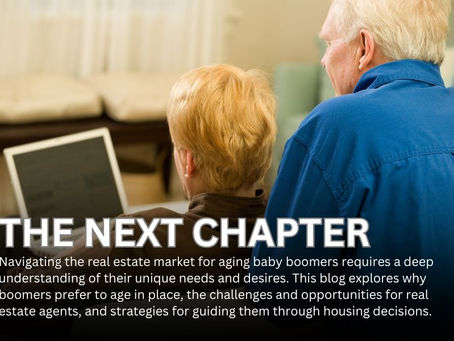
Understanding the Real Estate Market for Baby Boomers
The real estate market is constantly evolving, influenced by changing demographics and lifestyle preferences. One of the most significant trends today is the aging population of baby boomers—a group of approximately 68.6 million Americans born between 1946 and 1964.
Unlike previous generations, baby boomers are not rushing to relocate to senior or assisted living communities. In fact, according to a survey by the American Advisors Group, 92% of boomers prefer to age in place. This shift is reshaping the housing market in meaningful ways.
The Desire to Age in Place
Many baby boomers feel healthier than their parents did at the same age, have built sufficient savings to maintain their homes, and feel deeply connected to their communities and belongings.
This mindset is redefining expectations around housing as they enter later stages of life. However, it has also contributed to a slower housing market, with home sales in 2023 reaching their lowest levels in nearly 30 years before seeing a slight increase in early 2024.
Challenges and Opportunities for Real Estate Agents
For real estate agents, this trend presents both challenges and opportunities. Understanding the unique needs, motivations, and concerns of baby boomers is essential for helping them navigate this important life stage.
Why Boomers Are Staying Put
Baby boomers are choosing to remain in their homes for several key reasons:
- Health and Wellness: Many believe they are healthier and more active than previous generations.
- Financial Stability: Adequate savings and home equity allow them to comfortably maintain their homes.
- Emotional Attachment: Strong ties to their communities, memories, and possessions make moving less appealing.
Factors That May Encourage Boomers to Move
While many boomers prefer to stay in place, certain life events and circumstances may prompt them to consider relocating.
Retirement
Retirement often opens the door to relocation. Some boomers choose to move closer to family and friends, while others pursue long-held dreams of living in a new location.
These moves may involve transitioning to newer homes or properties better suited for entertaining children and grandchildren.
Health Crises
Health challenges such as illness, reduced mobility, or declining income can necessitate a move. Even those strongly committed to aging in place may need to reconsider their living situation when faced with these realities.
Navigating the Housing Market Stalemate
The current housing market is experiencing a stalemate, driven in part by boomers choosing not to sell. This has contributed to low housing inventory and continued high demand.
While lower mortgage rates could encourage more movement, rising home prices continue to create challenges for both buyers and sellers.
Strategies for Real Estate Agents Working with Boomers
Real estate agents can play a crucial role in helping baby boomers navigate this complex landscape by offering thoughtful, personalized guidance.
Building Professional Knowledge
The Seniors Real Estate Specialist (SRES) designation from the Center for REALTOR® Development equips agents with the skills to assist older adults in making informed housing decisions. The coursework covers financial and emotional concerns, enabling agents to provide comprehensive counsel.
Initiating Meaningful Conversations
Start by asking thoughtful questions about long-term goals and preferences. Understanding a client’s priorities helps tailor recommendations for homes and communities that meet their evolving needs.
Financial Considerations
Assessing boomers’ financial readiness is critical. Evaluating home equity, savings, and potential capital gains tax implications ensures they are prepared to meet their financial and lifestyle goals. Agents should also recommend consulting an attorney to explore options like placing assets into a trust for creditor protection or tax benefits.
Exploring Housing Options
Discussing various housing options, from downsizing to condos to relocating to assisted living communities, helps boomers make informed decisions. Consider the pros and cons of different arrangements, including the financial implications of each choice.
Preparing for Future Needs
Encourage clients to create both primary and backup plans. A home that works for a healthy 70-year-old may not be suitable later in life.
Agents should also become familiar with local services and resources that support aging in place, such as healthcare providers, home modification services, and community programs.
Creating a Supportive and Informed Transition
Real estate agents must provide compassionate, informed support as boomers navigate their next chapter. By understanding their unique needs and offering tailored solutions, agents can help clients make confident, well-informed decisions.
Leveraging Technology and Resources
Technology can play a valuable role in supporting this process. Virtual tours, online listings, and digital communication tools make it easier for clients to explore options, especially for those with mobility challenges or a preference for remote interactions.
Conclusion
As baby boomers redefine their housing needs, real estate agents must adapt to offer specialized services and support. Understanding the motivations, challenges, and opportunities within this demographic enables agents to provide valuable guidance, ensuring a smooth transition for boomers entering the next chapter of their lives. By prioritizing their unique needs and preferences, agents can help them make informed decisions that align with their financial goals and lifestyle aspirations.
Further Resources for Real Estate Agents
For more information on assisting baby boomers with their real estate needs, explore the following resources:
By staying informed and adapting to the evolving needs of baby boomers, real estate agents can provide exceptional service and support, helping this significant demographic confidently navigate their next chapter.