

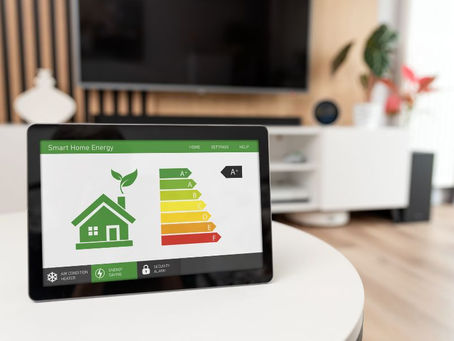
As environmental concerns continue to grow, sustainable living and energy-efficient homes are becoming more than just trends—they are essential steps toward a healthier future. These practices not only benefit the planet but also offer significant advantages for homeowners, from cost savings to improved quality of life.
What Is Sustainable Living?
Sustainable living focuses on reducing your environmental impact by making conscious choices that conserve resources and protect the planet.
It touches every aspect of daily life, including housing, transportation, energy use, and waste management. Choosing an eco-friendly home is one of the most impactful steps you can take toward a more sustainable lifestyle.
Benefits of Eco-Friendly Homes
Eco-friendly homes—also known as green homes—are designed with sustainability in mind. They use energy-efficient systems, environmentally friendly materials, and innovative construction techniques to minimize their footprint.
Energy Efficiency
Green homes are built to use less energy through features like LED lighting, high-performance insulation, and energy-efficient appliances.
This leads to lower energy consumption and reduced monthly utility bills.
Improved Indoor Air Quality
Eco-friendly homes often include advanced ventilation systems and non-toxic materials, resulting in cleaner indoor air.
This is especially beneficial for individuals with allergies or respiratory conditions.
Reduced Carbon Footprint
By incorporating renewable energy sources like solar power and sustainable building practices, these homes significantly lower carbon emissions compared to traditional homes.
Long-Term Cost Savings
While eco-friendly features may require a higher initial investment, they often lead to long-term savings through lower energy bills, reduced maintenance costs, and potential tax incentives.
The Role of Energy-Efficient Appliances
Appliances play a major role in a home’s overall energy use. Energy-efficient models are designed to perform the same tasks while consuming less power.
- Lower monthly utility costs
- Reduced environmental impact
- Long-term financial savings
Upgrading appliances such as refrigerators, washing machines, HVAC systems, and water heaters can significantly improve a home’s efficiency.
Everyday Sustainable Living Practices
Use Renewable Energy
Renewable energy sources like solar and wind power can reduce dependence on fossil fuels. Installing solar panels allows homeowners to generate their own clean energy and potentially lower electricity costs.
Conserve Water
Simple steps like fixing leaks, installing low-flow fixtures, and using drought-resistant landscaping can greatly reduce water consumption.
Rainwater harvesting systems can also provide an alternative water source for outdoor use.
Reduce Waste and Recycle
Minimizing waste is a key part of sustainable living. Recycling materials, composting organic waste, and reducing single-use plastics can help decrease landfill waste.
Adopting a mindset focused on reuse and sustainability can make a lasting impact.
Local Initiatives and Green Housing Options
Community Sustainability Programs
Many communities offer programs that encourage energy efficiency and environmental responsibility. These may include rebates for energy-efficient appliances, incentives for solar installations, and support for eco-friendly home improvements.
Green Real Estate Opportunities
The real estate market is evolving to meet the demand for sustainable homes. Many properties now feature green upgrades such as solar panels, efficient systems, and eco-conscious building materials.
Working with professionals who understand green housing can help you find a home that aligns with your values and long-term goals.
Conclusion
Sustainable living and energy-efficient homes offer a powerful combination of environmental and financial benefits.
By making thoughtful choices—from upgrading appliances to adopting eco-friendly habits— you can reduce your environmental impact while improving your quality of life.
As more communities and homeowners embrace sustainability, these practices are becoming a vital part of building a better future for generations to come.
Ready to make your home more sustainable? Start exploring energy-efficient options and take the first step toward a greener lifestyle today.